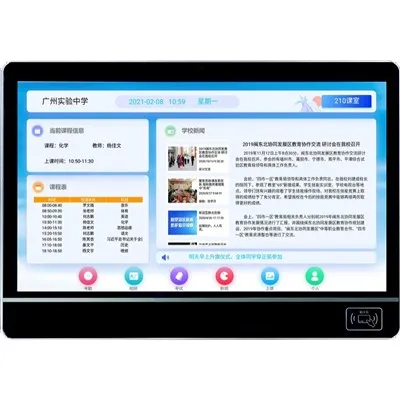
Wall-mounted indoor non-touch light switches have gained significant popularity in recent years due to their convenience, hygiene, and modern aesthetic appeal. As a leading supplier of these innovative products, we often receive inquiries about their suitability for use in wet areas. In this blog post, we will explore the technical aspects, safety considerations, and practical implications of using wall-mounted indoor non-touch light switches in wet environments.
Technical Features of Wall-Mounted Indoor Non-Touch Light Switches
Before delving into the use of these switches in wet areas, it's essential to understand their technical features. Our wall-mounted indoor non-touch light switches are designed with state-of-the-art sensor technology. They typically use infrared sensors or capacitive sensors to detect the presence of a hand or other objects in close proximity, allowing users to turn the lights on or off without physical contact.
These switches are also equipped with advanced electronics that control the switching mechanism. The sensors are calibrated to detect specific movements or gestures accurately, ensuring reliable operation. Additionally, the switches are designed to be energy-efficient, consuming minimal power during standby and operation.


Safety Considerations in Wet Areas
Wet areas, such as bathrooms, kitchens, and laundry rooms, present unique challenges when it comes to electrical safety. Water is a good conductor of electricity, and any contact between electrical components and water can pose a serious risk of electric shock or short circuits. Therefore, it is crucial to ensure that any electrical device used in a wet area meets strict safety standards.
Our wall-mounted indoor non-touch light switches are built with multiple layers of protection to prevent water ingress. The outer casing is made of high-quality, waterproof materials that can withstand exposure to moisture and humidity. The sensors and electronics are also encapsulated in a sealed enclosure to protect them from water damage.
In addition to physical protection, our switches are designed to comply with international safety standards. They are tested rigorously to ensure that they can operate safely in wet conditions without posing a risk to users. However, it's important to note that while our switches are designed to be water-resistant, they are not completely waterproof. Therefore, they should not be submerged in water or exposed to direct water spray.
Practical Implications of Using Non-Touch Switches in Wet Areas
Apart from safety, there are several practical benefits to using wall-mounted indoor non-touch light switches in wet areas. One of the main advantages is hygiene. In a wet area, where hands are often wet or dirty, traditional light switches can become a breeding ground for bacteria and germs. Non-touch switches eliminate the need for physical contact, reducing the spread of germs and making them a more hygienic option.
Another practical benefit is convenience. In a wet area, such as a bathroom, it can be difficult to operate a traditional light switch with wet hands. Non-touch switches allow users to turn the lights on or off with a simple wave of the hand, making them much more convenient to use.
However, there are also some practical limitations to consider. Non-touch switches rely on sensors to detect movement, and in a wet area, steam and moisture can sometimes interfere with the sensor's operation. This can cause the switch to malfunction or fail to respond correctly. To mitigate this issue, our switches are designed with advanced sensor technology that can filter out false signals caused by steam and moisture.
Specific Products Suitable for Wet Areas
As a supplier of wall-mounted indoor non-touch light switches, we offer a range of products that are suitable for use in wet areas. Our Non-touch Wall Mount Screen is a popular choice for bathrooms and kitchens. It features a sleek, modern design and is equipped with a high-sensitivity infrared sensor that can detect movement from a distance.
The Elevator Digital Signage Screen is another option that can be used in wet areas. It is designed to be robust and durable, with a waterproof casing that can withstand exposure to moisture and humidity. The screen can also display important information, such as elevator status and floor numbers, making it a practical and functional addition to any wet area.
Our Commercial Non Touch Monitor is a versatile product that can be used in a variety of wet areas, including commercial kitchens and laundry rooms. It features a large, high-resolution display and is equipped with a capacitive sensor that can detect touchless gestures accurately.
Installation and Maintenance
Proper installation and maintenance are essential to ensure the safe and reliable operation of wall-mounted indoor non-touch light switches in wet areas. When installing the switch, it is important to follow the manufacturer's instructions carefully. The switch should be mounted at a suitable height and location to ensure that it is easily accessible and does not interfere with other fixtures or appliances.
Regular maintenance is also important to keep the switch in good working condition. The outer casing should be cleaned regularly with a damp cloth to remove any dirt or grime. The sensors should also be checked periodically to ensure that they are functioning correctly. If any problems are detected, it is recommended to contact a qualified electrician for repairs.
Conclusion
In conclusion, wall-mounted indoor non-touch light switches can be used safely and effectively in wet areas, provided that they are designed and installed correctly. Our switches are built with multiple layers of protection to prevent water ingress and comply with international safety standards. They offer several practical benefits, such as hygiene and convenience, making them a popular choice for modern homes and commercial buildings.
If you are interested in purchasing wall-mounted indoor non-touch light switches for your wet area, we invite you to contact us for more information. Our team of experts can help you choose the right product for your needs and provide you with professional installation and support services.
References
- International Electrotechnical Commission (IEC). (20XX). Electrical safety standards for wet areas.
- National Electrical Code (NEC). (20XX). Requirements for electrical installations in wet areas.