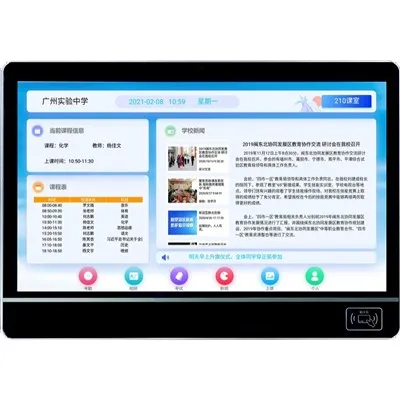
In the contemporary educational landscape, the integration of technology into teaching has become a pivotal topic, especially when it comes to subjects like history. As a supplier of Classroom Digital Boards, I've witnessed firsthand the transformative potential these tools hold for history education. This blog post aims to explore whether classroom digital boards can be effectively used for history teaching, delving into their benefits, challenges, and practical applications.
The Advantages of Using Classroom Digital Boards in History Teaching
1. Visual Representation of Historical Events
One of the most significant advantages of classroom digital boards is their ability to provide vivid visual representations of historical events. History is replete with complex events, battles, and cultural phenomena that can be difficult for students to visualize through textbooks alone. Digital boards can display high - resolution images, maps, and videos that bring history to life. For example, when teaching about the Battle of Gettysburg, a digital board can show detailed maps of the battlefield, animations of troop movements, and archival photos of soldiers. This visual approach helps students better understand the context, scale, and impact of historical events.
2. Interactive Learning Experience
Digital boards offer an interactive learning experience that engages students more effectively. Teachers can use touch - screen capabilities to create interactive timelines, where students can click on different events to learn more about them. They can also conduct virtual field trips to historical sites around the world. For instance, a class studying ancient Rome can take a virtual tour of the Colosseum, exploring its architecture and learning about its historical significance. This hands - on approach encourages active participation and deepens students' understanding of historical concepts.
3. Access to a Wealth of Resources
With internet connectivity, classroom digital boards provide access to a vast array of historical resources. Teachers can easily pull up primary sources such as historical documents, speeches, and diaries. They can also access online archives, museums, and educational websites. For example, when teaching about the Civil Rights Movement, teachers can show original speeches by Martin Luther King Jr. or news footage from that era. This access to real - time and diverse resources enriches the learning experience and allows students to explore history from multiple perspectives.
4. Enhanced Collaboration
Digital boards facilitate collaboration among students. Teachers can divide students into groups and assign them historical research projects. Each group can use the digital board to present their findings, share ideas, and engage in discussions. This collaborative learning environment promotes critical thinking, communication skills, and teamwork, which are essential for students' overall development.
Practical Applications of Classroom Digital Boards in History Teaching
1. Multimedia Presentations
Teachers can create multimedia presentations that combine text, images, videos, and audio to teach historical topics. For example, when teaching about the Renaissance, a presentation can include paintings by famous artists, music from that era, and descriptions of the cultural and intellectual achievements. These presentations can be more engaging and memorable than traditional lectures.
2. Historical Simulations
Digital boards can be used to create historical simulations. For instance, students can participate in a simulation of the Constitutional Convention, where they take on the roles of historical figures and debate the issues of the time. This hands - on approach allows students to experience history firsthand and understand the decision - making processes of the past.
3. Data Analysis
In history, data analysis can be used to understand trends and patterns. Teachers can use digital boards to present historical data in graphs and charts. For example, when studying economic history, teachers can show graphs of GDP growth, inflation rates, and trade volumes over time. This helps students analyze historical data and draw conclusions about economic development.
Challenges and How to Overcome Them
1. Technical Issues
One of the main challenges is dealing with technical issues such as software glitches, connectivity problems, and hardware malfunctions. To overcome these issues, it is essential to provide teachers with proper training on how to use the digital boards and troubleshoot common problems. Additionally, having a reliable technical support team on standby can ensure that any issues are resolved quickly.
2. Resistance to Change
Some teachers may be resistant to using new technology in the classroom. To address this, schools can organize professional development workshops to demonstrate the benefits of digital boards in history teaching. Teachers can also be provided with sample lesson plans and resources to help them integrate digital boards into their teaching effectively.


3. Cost
The cost of purchasing and maintaining classroom digital boards can be a concern for some schools. However, it is important to consider the long - term benefits of these tools. They can improve student engagement, learning outcomes, and overall educational quality. Schools can also explore funding options such as grants and partnerships to offset the cost.
Conclusion and Call to Action
In conclusion, classroom digital boards have significant potential for history teaching. They offer visual representation, interactive learning experiences, access to a wealth of resources, and enhanced collaboration. While there are challenges to overcome, the benefits far outweigh the drawbacks.
If you are interested in exploring how our Classroom Digital Boards can transform your history teaching, we invite you to [initiate a conversation about procurement]. Our team of experts is ready to provide you with more information, answer your questions, and help you find the best solutions for your educational institution. You can also learn more about our related products, such as Electronic Signage Hardware, School Announcement System, and Digital Signage for Schools.
References
- Johnson, A. (2018). The Impact of Digital Technology on History Education. Journal of Educational Technology, 25(3), 123 - 135.
- Smith, B. (2019). Using Interactive Whiteboards in History Classrooms. History Teaching Review, 32(2), 89 - 102.
- Williams, C. (2020). Multimedia Resources for History Education: A Case Study. Educational Technology Research and Development, 48(4), 201 - 215.