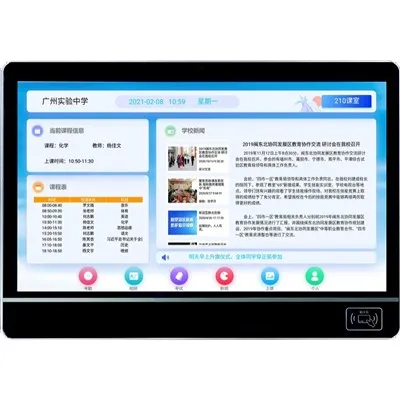
Hey there! As a supplier of Digital Signage for Education, I often get asked if digital signage can be used to display curriculum information. And the answer is a resounding yes! In this blog post, I'll dive into how digital signage can revolutionize the way curriculum information is presented in educational institutions.
First off, let's talk about what digital signage is. Digital signage refers to electronic displays that show digital content such as images, videos, and text. These displays can be found in various settings, from shopping malls to airports. In an educational context, digital signage can be installed in classrooms, hallways, and other common areas.
One of the main advantages of using digital signage to display curriculum information is its ability to engage students. Traditional methods of presenting curriculum, like printed handouts or chalkboards, can be a bit dull. Digital signage, on the other hand, can use eye - catching visuals, animations, and videos to make the curriculum more interesting. For example, if a science class is studying the solar system, a digital sign can display high - resolution images of planets, animated videos of their orbits, and even interactive quizzes. This kind of engaging content can help students better understand and remember the curriculum.
Another great thing about digital signage is its flexibility. With traditional methods, once a handout is printed or a chalkboard is written on, it's difficult to make changes. But with digital signage, curriculum information can be updated in real - time. Teachers can quickly add new topics, change the order of lessons, or correct any mistakes. This is especially useful in today's fast - paced educational environment where new information is constantly emerging. For instance, in a history class, if there's a new discovery about a historical event, the teacher can immediately update the digital sign to include this new information.
Digital signage also offers the possibility of personalization. Different classes may have different curriculum requirements. With digital signage, teachers can customize the content shown on the displays according to their specific class needs. A math teacher can display step - by - step solutions to difficult problems, while an art teacher can showcase famous artworks related to the current lesson. This personalized approach can enhance the learning experience for students.
Now, let's take a look at some of the specific types of digital signage that can be used in an educational setting.
The Classroom Digital Signage System is a great option for displaying curriculum information directly in the classroom. It can be integrated with other educational technologies, such as learning management systems. Teachers can easily upload curriculum materials, like lecture notes, presentations, and assignment details, to the system. The system can also be used to show real - time announcements, like upcoming tests or project deadlines.
The Virtual Classroom Display is perfect for remote learning. In today's world, where online education has become more prevalent, this type of digital signage can bridge the gap between teachers and students. It can display the same curriculum information that would be shown in a physical classroom, including live video feeds of the teacher, interactive whiteboard sessions, and shared documents.
The LED Classroom Display is known for its high - brightness and clear visibility. It can be used in classrooms with different lighting conditions. Whether it's a brightly lit room or a dimly lit one, the LED display can ensure that the curriculum information is clearly visible to all students.
In addition to these benefits, digital signage can also save costs in the long run. While the initial investment in digital signage may be higher than traditional methods, there are no ongoing costs for printing handouts or replacing chalkboards. Also, since the content can be updated digitally, there's no need to re - print materials every time there's a change in the curriculum.
However, like any technology, there are also some challenges to using digital signage for curriculum information. One of the main challenges is ensuring that all students have access to the technology. In some schools, there may be a digital divide, where some students have better access to digital devices than others. To overcome this, schools need to make sure that they have a well - planned technology infrastructure and provide support to students who may be less tech - savvy.


Another challenge is managing the content on the digital signage. With so many different types of content that can be displayed, it's important to have a system in place to organize and update it. Teachers may need some training on how to use the digital signage effectively, including how to upload content, schedule displays, and troubleshoot any technical issues.
Despite these challenges, the benefits of using digital signage to display curriculum information far outweigh the drawbacks. It offers a more engaging, flexible, and personalized way of presenting curriculum, which can ultimately lead to better learning outcomes for students.
If you're an educational institution looking to enhance your curriculum presentation, I encourage you to consider using digital signage. As a Digital Signage for Education supplier, we have the expertise and the products to help you implement a successful digital signage solution. Whether you're interested in the Classroom Digital Signage System, the Virtual Classroom Display, or the LED Classroom Display, we can provide you with the best options for your specific needs.
If you'd like to learn more about our products and services, or if you're interested in starting a procurement discussion, don't hesitate to reach out. We're here to help you transform your educational environment with the power of digital signage.
References
- Educational Technology Research and Development Journal
- Journal of Digital Learning in Higher Education
- Reports from leading educational technology conferences