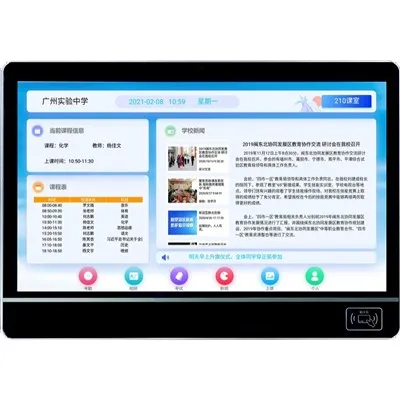
Hey there! As a supplier of Touch Screen Classroom Boards, I often get asked about the touch durability of these boards. It's a crucial factor, especially when you're investing in a product that's going to be used daily in a busy classroom environment. So, let's dive right in and explore what touch durability really means for a touch screen classroom board.
What is Touch Durability?
Touch durability refers to the ability of a touch screen to withstand repeated touches, taps, and swipes over an extended period without losing its functionality or accuracy. In a classroom setting, these boards are used by multiple students and teachers throughout the day. They're subjected to everything from gentle taps for selecting options to more forceful presses when writing or drawing.
A touch screen with high durability can handle this constant use without issues like unresponsive areas, inaccurate touch recognition, or physical damage to the screen surface. On the other hand, a less durable touch screen may start to show signs of wear and tear quickly, leading to a frustrating user experience and potentially costly replacements.
Factors Affecting Touch Durability
Screen Material
The material used for the touch screen is one of the most significant factors influencing its durability. Most touch screen classroom boards use either glass or plastic screens.
Glass screens are known for their high durability and scratch resistance. They can withstand a lot of pressure and are less likely to get damaged by sharp objects. However, they can be more expensive and may break if dropped or subjected to a significant impact.
Plastic screens, on the other hand, are more lightweight and less prone to shattering. But they are generally less scratch-resistant than glass and may show signs of wear more quickly. Some manufacturers use special coatings on plastic screens to improve their durability, but these coatings can also wear off over time.
Touch Technology
There are several types of touch technologies used in classroom boards, including resistive, capacitive, and infrared. Each technology has its own advantages and disadvantages when it comes to touch durability.


Resistive touch screens work by detecting pressure on the screen surface. They are relatively inexpensive and can be used with a stylus or even a gloved hand. However, they are more prone to wear and tear because the layers of the screen need to be pressed together to register a touch. Over time, this can cause the screen to become less responsive.
Capacitive touch screens use the electrical properties of the human body to detect touches. They are more accurate and responsive than resistive screens and are less likely to wear out. However, they require direct contact with a bare finger or a special conductive stylus, which may not be suitable for all users.
Infrared touch screens use infrared light beams to detect touches. They are highly durable because there is no physical contact with the screen surface. They can also support multi-touch gestures, which is great for interactive learning. However, they can be affected by external light sources and may require regular calibration.
Environmental Conditions
The environment in which the touch screen classroom board is used can also affect its durability. For example, classrooms with high humidity or extreme temperatures can cause the screen to malfunction or degrade more quickly. Dust and dirt can also accumulate on the screen surface, affecting its touch sensitivity.
To ensure the longevity of your touch screen board, it's important to keep the classroom clean and maintain a stable temperature and humidity level. You may also want to consider using a screen protector to prevent dust and scratches.
Testing Touch Durability
Manufacturers typically conduct various tests to determine the touch durability of their classroom boards. These tests can include:
Touch Cycle Testing
This involves repeatedly touching the screen at specific points for a certain number of cycles. The goal is to simulate the normal use of the board over an extended period. After the test, the screen is checked for any signs of wear or malfunction.
Scratch Resistance Testing
In this test, the screen is scratched with different materials to determine its resistance to scratches. The results are used to evaluate the durability of the screen surface.
Impact Testing
This test involves dropping a weighted object on the screen from a certain height to see if it can withstand an impact without breaking or malfunctioning.
Why Touch Durability Matters in the Classroom
In a classroom setting, a durable touch screen board is essential for a smooth and productive learning experience. Here are some reasons why:
Cost-Effectiveness
Investing in a high-quality, durable touch screen board may cost more upfront, but it can save you money in the long run. You won't have to replace the board as often, and you'll avoid the costs associated with repairs and downtime.
Reliability
A reliable touch screen board is crucial for teachers and students. If the board is constantly malfunctioning or unresponsive, it can disrupt the learning process and cause frustration for everyone involved.
Interactive Learning
Touch screen classroom boards are often used for interactive learning activities, such as group projects and educational games. A durable touch screen ensures that these activities can be carried out smoothly and without interruptions.
Our Touch Screen Classroom Boards
At our company, we understand the importance of touch durability in a classroom setting. That's why we offer a range of high-quality touch screen classroom boards that are designed to withstand the rigors of daily use.
Our boards feature glass screens for maximum scratch resistance and durability. We use capacitive touch technology for accurate and responsive touch recognition, and our infrared touch screens support multi-touch gestures for enhanced interactivity.
We also conduct rigorous testing on all our products to ensure they meet the highest standards of touch durability. Whether you're looking for an Educational Digital Boards, Digital Signage for Schools, or Classroom Digital Signage, we have a solution that will meet your needs.
Conclusion
Touch durability is a critical factor to consider when choosing a touch screen classroom board. By understanding the factors that affect durability and choosing a high-quality product, you can ensure that your board will provide reliable and interactive learning experiences for years to come.
If you're interested in learning more about our touch screen classroom boards or have any questions about touch durability, please don't hesitate to contact us. We'd be happy to help you find the perfect solution for your classroom.
References
- "Touch Screen Technology: A Comprehensive Guide." Techopedia.
- "The Impact of Screen Material on Touch Screen Durability." Display Industry Journal.
- "Testing Methods for Touch Screen Durability." Consumer Electronics Testing Association.