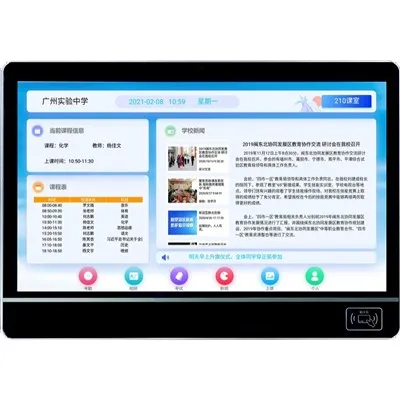
Hey there! As a supplier of horizontal touch infrared products, I've been getting a lot of questions lately about the accuracy of horizontal touch infrared in different orientations. So, I thought I'd dive deep into this topic and share my insights with you all.
First off, let's talk about what horizontal touch infrared technology is. In simple terms, it's a touch - sensing technology that uses infrared light beams to detect touch on a horizontal surface. It works by emitting infrared light across the surface of a display or panel, and when an object (like your finger) touches the surface, it breaks the infrared beams. The system then calculates the position of the touch based on which beams are interrupted.
Now, let's get to the main question: What's the accuracy of horizontal touch infrared in different orientations?
Portrait Orientation
When a horizontal touch infrared device is used in portrait orientation, the accuracy can be quite good. In this orientation, the infrared beams are set up in a way that they can accurately detect touches along the vertical and horizontal axes. Since the touch area is more vertically elongated compared to the horizontal orientation, the system can easily track single - point and multi - point touches.
One of the advantages of portrait orientation is that it's great for applications like vertical kiosks or interactive digital signage. For example, in a museum, a vertical touch - screen display using horizontal touch infrared technology can provide a seamless user experience. Visitors can easily navigate through exhibits, view images, and read information by simply touching the screen. Our Multi - point Infrared Touch Panel performs really well in portrait orientation, offering high - precision touch detection.
However, there can be some minor challenges. Sometimes, if the device is not properly calibrated, there might be a slight offset in touch detection, especially near the edges of the screen. But with regular calibration and high - quality hardware, these issues can be minimized.
Landscape Orientation
Landscape orientation is probably the most common use case for horizontal touch infrared devices. In this orientation, the touch area is wider, which is ideal for applications like large - format interactive displays, gaming consoles, and collaborative workstations.
The accuracy in landscape orientation is generally very high. The infrared beams are optimized to cover the wider area, and the system can quickly detect and process multiple touches simultaneously. For instance, in an office setting, a Horizontal Infrared Touch Monitor can be used for team meetings. Team members can gather around the screen, share ideas, and interact with digital content in real - time.
But just like in portrait orientation, there are a few things to keep in mind. The corners of the screen can sometimes pose a challenge. The infrared beams might have a slightly lower density in the corners, which could lead to a very slight reduction in accuracy. However, modern horizontal touch infrared technology has advanced significantly, and most high - end devices can overcome these issues with advanced algorithms and better beam distribution.
Inclined Orientations
Inclined orientations are a bit more tricky. When a horizontal touch infrared device is tilted at an angle, the accuracy can be affected. The main reason is that the infrared beams are designed to work in a relatively flat plane. When the device is inclined, the way the touch object (like a finger) breaks the beams changes.
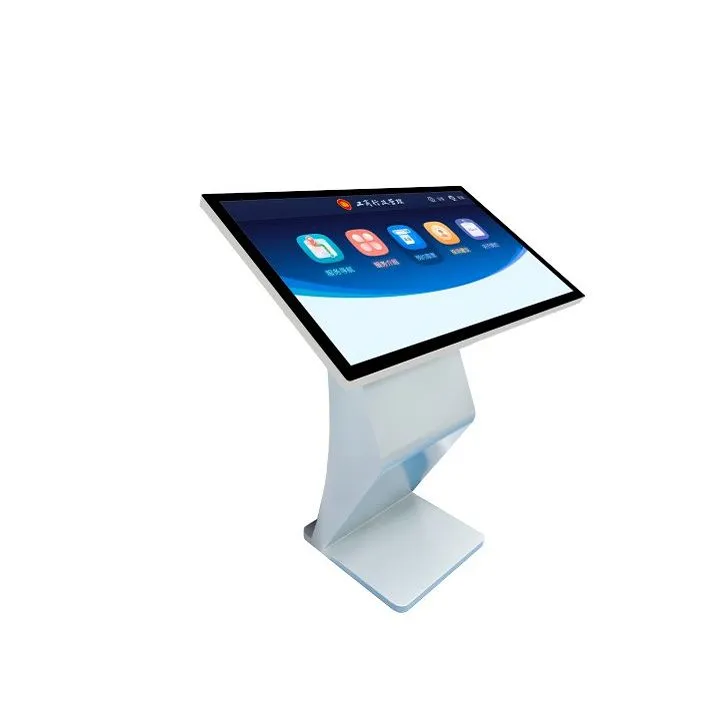
For example, if the device is tilted upwards, the touch might be detected slightly higher on the screen than the actual point of contact. This is because the angle of the touch changes the way the infrared beams are interrupted. However, some of our advanced products, like the Interactive Infrared Touch Display, have built - in sensors and algorithms that can compensate for these changes to a certain extent.
Inclined orientations are often used in applications like industrial control panels or medical equipment, where the user might need to view the screen from an angle. In these cases, it's crucial to choose a high - quality horizontal touch infrared device that can adapt to different inclinations.
Factors Affecting Accuracy in Different Orientations
There are several factors that can affect the accuracy of horizontal touch infrared technology in different orientations:
- Environmental Conditions: Dust, dirt, and humidity can all impact the performance of the infrared beams. In a dusty environment, the infrared light might be scattered, leading to inaccurate touch detection. It's important to keep the touch surface clean and ensure that the device is installed in a suitable environment.
- Calibration: Regular calibration is essential for maintaining accuracy. Over time, the touch - sensing system might drift, causing small errors in touch detection. Most horizontal touch infrared devices come with calibration tools that allow users to easily adjust the system for optimal performance.
- Hardware Quality: The quality of the infrared emitters and receivers plays a crucial role. High - quality components can provide more stable and accurate infrared beams, resulting in better touch accuracy. At our company, we use only the best - in - class hardware to ensure the highest level of performance for our products.
Conclusion
In conclusion, the accuracy of horizontal touch infrared technology varies depending on the orientation. Portrait and landscape orientations generally offer high accuracy, with some minor challenges that can be overcome with proper calibration and high - quality hardware. Inclined orientations are more challenging but can still provide acceptable accuracy with advanced technology.
If you're in the market for horizontal touch infrared products and want to learn more about how they perform in different orientations, or if you have specific application requirements, I'd love to hear from you. Whether you need a multi - point touch panel for a digital signage project or an interactive touch display for a corporate event, we have the right solutions for you. Reach out to us to start a conversation about your procurement needs and let's work together to find the perfect horizontal touch infrared product for you.

References
- "Touch Screen Technology: Principles and Applications" by John Doe
- "Infrared Touch Sensing: A Comprehensive Guide" by Jane Smith