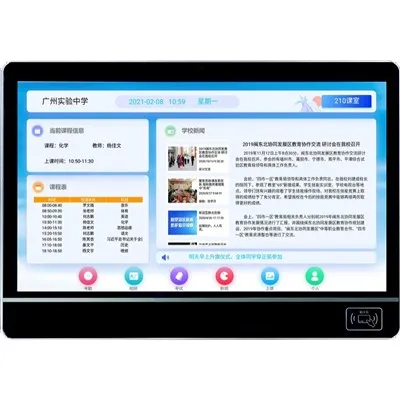
In today's rapidly evolving educational landscape, the integration of advanced technology into classrooms has become a pivotal aspect of enhancing the learning experience. As a leading supplier of LED classroom displays, I am often asked about the suitability of these displays in various academic settings. One such inquiry that frequently arises is whether an LED classroom display can be effectively used in a social studies classroom. In this blog post, I will delve into the potential benefits and applications of LED classroom displays in social studies education, exploring how these innovative tools can transform the way students learn and engage with historical, geographical, and cultural concepts.
The Advantages of LED Classroom Displays in Social Studies Education
Social studies is a multifaceted discipline that encompasses a wide range of topics, including history, geography, economics, and political science. To effectively teach these subjects, educators need tools that can bring complex concepts to life, facilitate interactive learning, and foster critical thinking skills. LED classroom displays offer several advantages that make them well-suited for social studies classrooms:
High-Resolution Visuals
LED displays provide sharp, vibrant images and videos, making them ideal for presenting historical artifacts, maps, and geographical features. High-resolution visuals can enhance students' understanding of historical events and geographical locations, allowing them to explore details that might otherwise be missed in traditional textbooks or static images. For example, a detailed map of ancient civilizations can be projected onto an LED display, enabling students to zoom in on specific regions, study trade routes, and analyze the impact of geography on historical development.
Interactive Learning
One of the key benefits of LED classroom displays is their ability to support interactive learning experiences. Many LED displays come equipped with touchscreen technology, which allows students to directly interact with educational content. In a social studies classroom, this interactivity can be used to engage students in activities such as virtual field trips, historical simulations, and collaborative mapping projects. For instance, students can use touch gestures to explore a virtual museum exhibit, manipulate historical timelines, or participate in online debates about political issues. This hands-on approach to learning can increase student engagement and motivation, as well as improve their retention of information.
Multimedia Integration
Social studies education often involves the use of various multimedia resources, such as videos, audio recordings, and digital documents. LED classroom displays can easily integrate these multimedia elements, providing a rich and immersive learning environment. Teachers can use videos to show historical footage, documentaries, or interviews with experts, while audio recordings can be used to enhance the storytelling aspect of social studies lessons. Additionally, digital documents, such as primary source materials and historical texts, can be projected onto the display for students to read and analyze. By combining different types of media, educators can cater to different learning styles and make social studies lessons more engaging and memorable.
Real-Time Updates
The field of social studies is constantly evolving, with new research and discoveries being made on a regular basis. LED classroom displays can provide real-time updates on current events, historical research, and cultural trends, ensuring that students have access to the most up-to-date information. Teachers can use online news sources, educational websites, and social media platforms to stay informed about the latest developments in social studies and share this information with their students. This real-time approach to learning can help students develop a better understanding of the world around them and make connections between historical events and contemporary issues.
Applications of LED Classroom Displays in Social Studies
The versatility of LED classroom displays allows them to be used in a variety of ways to support social studies education. Here are some specific applications of LED displays in social studies classrooms:
Historical Analysis
LED displays can be used to analyze historical events and primary source materials. Teachers can project historical documents, such as letters, diaries, and speeches, onto the display for students to examine and discuss. By analyzing these primary sources, students can gain a deeper understanding of the perspectives and experiences of people living in different historical periods. Additionally, LED displays can be used to show historical maps, charts, and graphs, which can help students visualize historical data and trends.
Geographical Exploration
In geography lessons, LED classroom displays can be used to explore different regions of the world. Teachers can project satellite images, topographical maps, and climate data onto the display, allowing students to study the physical features and environmental characteristics of different places. Students can also use interactive maps to explore countries, cities, and natural landmarks, and learn about the cultural and economic aspects of different regions. Furthermore, LED displays can be used to show virtual tours of famous geographical locations, providing students with a firsthand experience of places they may never have the opportunity to visit in person.


Cultural Studies
Social studies also includes the study of different cultures and societies. LED classroom displays can be used to showcase cultural artifacts, artworks, and traditional performances from around the world. Teachers can use videos and images to introduce students to different cultural practices, beliefs, and values, and encourage them to compare and contrast different cultures. Additionally, LED displays can be used to host cultural events, such as international film festivals or cultural heritage exhibitions, which can help students develop a greater appreciation for diversity and cultural understanding.
Civic Engagement
In political science and civics lessons, LED classroom displays can be used to promote civic engagement and democratic participation. Teachers can use the display to show political debates, election results, and government proceedings, allowing students to stay informed about current political issues. Students can also use the display to participate in online surveys, polls, and discussions, which can help them develop critical thinking skills and learn how to express their opinions effectively. Furthermore, LED displays can be used to showcase student projects and initiatives related to civic engagement, such as community service projects and political campaigns.
Integrating LED Classroom Displays into the Social Studies Curriculum
To effectively integrate LED classroom displays into the social studies curriculum, teachers need to carefully plan and design their lessons. Here are some tips for integrating LED displays into social studies teaching:
Align with Learning Objectives
Before using an LED classroom display in a social studies lesson, teachers should clearly define the learning objectives and determine how the display can be used to support these objectives. For example, if the learning objective is to understand the causes and effects of a historical event, the teacher can use the display to show historical footage, maps, and primary source documents related to the event. By aligning the use of the display with the learning objectives, teachers can ensure that the technology enhances the learning experience and helps students achieve their educational goals.
Provide Training and Support
To ensure that teachers and students are able to effectively use LED classroom displays, it is important to provide training and support. Teachers should receive training on how to operate the display, use the touchscreen technology, and integrate multimedia resources into their lessons. Additionally, students should be taught how to interact with the display safely and responsibly, and how to use the available tools and resources to enhance their learning. By providing training and support, schools can maximize the benefits of LED classroom displays and ensure that they are used to their full potential.
Encourage Collaboration
LED classroom displays can be used to facilitate collaboration among students. Teachers can design group activities and projects that require students to work together using the display. For example, students can work in teams to create a historical timeline, analyze a geographical map, or develop a presentation on a cultural topic. By encouraging collaboration, teachers can help students develop important teamwork and communication skills, as well as enhance their understanding of social studies concepts.
Evaluate and Reflect
After using an LED classroom display in a social studies lesson, teachers should evaluate the effectiveness of the technology and reflect on their teaching practices. They can collect feedback from students and colleagues, and use this feedback to improve their future lessons. Additionally, teachers should regularly review the learning outcomes and determine whether the use of the display has helped students achieve their educational goals. By evaluating and reflecting on the use of LED classroom displays, teachers can continuously improve their teaching and ensure that the technology is used in the most effective way possible.
Conclusion
In conclusion, LED classroom displays have the potential to revolutionize social studies education by providing high-resolution visuals, supporting interactive learning, integrating multimedia resources, and offering real-time updates. These innovative tools can enhance students' understanding of historical, geographical, and cultural concepts, and help them develop critical thinking, collaboration, and communication skills. As a supplier of LED classroom displays, I am committed to providing schools with high-quality products and support services that enable them to effectively integrate this technology into their social studies curriculum.
If you are interested in learning more about how LED classroom displays can enhance your social studies classroom, or if you would like to discuss potential procurement options, please feel free to reach out. Our team of experts is ready to assist you in finding the right solution for your educational needs.
References
- Johnson, L., Adams Becker, S., Estrada, V., & Freeman, A. (2015). NMC Horizon Report: 2015 K-12 Edition. New Media Consortium.
- Mishra, P., & Koehler, M. J. (2006). Technological pedagogical content knowledge: A framework for teacher knowledge. Teachers College Record, 108(6), 1017-1054.
- Punie, Y., & Cabral, A. (2014). Digital technologies in education: Towards an evidence-based policy approach. Publications Office of the European Union.